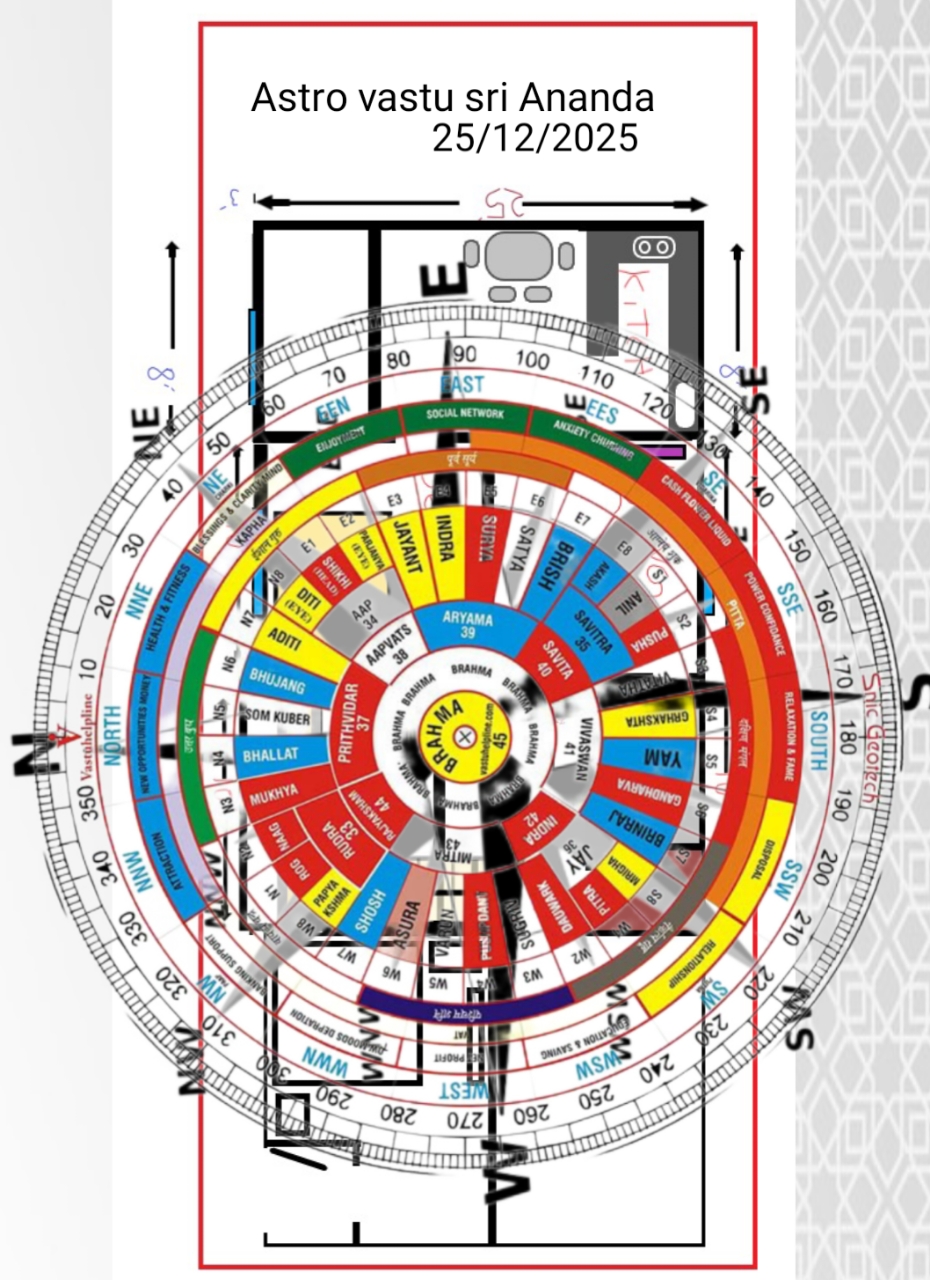

Vastu Shastra, Rahu is associated with the southwest direction (Nairutya Kona) and is considered a powerful, albeit potentially disruptive, influence. Understanding Rahu’s influence and making appropriate adjustments in your home can help harmonize the energy flow and mitigate negative effects.
Rahu’s Significance in Vastu:
-
Southwest Direction:Rahu is primarily linked to the southwest direction, which is also associated with stability, relationships, and the earth element.
-
Ambition and Materialism:Rahu is associated with ambition, materialism, and worldly desires.
-
Potential for Disruption:When not properly addressed, Rahu can bring about instability, financial losses, and health problems.
-
Balancing Energies:Vastu principles emphasize balancing Rahu’s energy to create a harmonious environment.
Vastu Tips for Managing Rahu:
-
Avoid Main Entrance in Southwest:Placing the main entrance in the southwest can amplify Rahu’s negative effects, leading to turmoil.
-
Heavy Elements in Southwest:Use the southwest for heavier elements like wardrobes, storage, or a master bedroom to balance its energy.
-
Avoid Toilets and Staircases in Northeast:Toilets and staircases in the northeast can disrupt the energy flow, so it’s best to avoid them according to some Vastu experts.
-
Clutter in Southwest:Minimize clutter in the southwest to promote stability and avoid negative influences.
-
Colors and Materials:Using specific colors and materials, like wood and stone, can help neutralize Rahu’s negative effects.
-
Mindful Adjustments:Making mindful adjustments to your home environment, such as using specific colors, materials, or objects, can help neutralize Rahu’s negative influences according to some Vastu experts.
Rahu and Ketu Axis:
-
Northeast-Southwest Axis:Rahu and Ketu are considered a pair, with Rahu in the northeast and Ketu in the southwest.
-
Ketu’s Influence:Ketu, associated with spirituality and detachment, is also important to consider when balancing the energy of the house.
-
Balancing the Axis:By understanding the influences of both Rahu and Ketu and making appropriate adjustments in the northeast and southwest, you can create a more balanced and harmonious environment, according to some Vastu experts.
Note: Vastu Shastra is based on traditional beliefs and practices, and there is no scientific evidence to support its claims.
Vastu Shastra, Rahu is associated with the southwest direction (Nairutya Kona) and is considered a powerful, albeit potentially disruptive, influence. Understanding Rahu’s influence and making appropriate adjustments in your home can help harmonize the energy flow and mitigate negative effects.
Rahu’s Significance in Vastu:
-
Southwest Direction:Rahu is primarily linked to the southwest direction, which is also associated with stability, relationships, and the earth element.
-
Ambition and Materialism:Rahu is associated with ambition, materialism, and worldly desires.
-
Potential for Disruption:When not properly addressed, Rahu can bring about instability, financial losses, and health problems.
-
Balancing Energies:Vastu principles emphasize balancing Rahu’s energy to create a harmonious environment.
Vastu Tips for Managing Rahu:
-
Avoid Main Entrance in Southwest:Placing the main entrance in the southwest can amplify Rahu’s negative effects, leading to turmoil.
-
Heavy Elements in Southwest:Use the southwest for heavier elements like wardrobes, storage, or a master bedroom to balance its energy.
-
Avoid Toilets and Staircases in Northeast:Toilets and staircases in the northeast can disrupt the energy flow, so it’s best to avoid them according to some Vastu experts.
-
Clutter in Southwest:Minimize clutter in the southwest to promote stability and avoid negative influences.
-
Colors and Materials:Using specific colors and materials, like wood and stone, can help neutralize Rahu’s negative effects.
-
Mindful Adjustments:Making mindful adjustments to your home environment, such as using specific colors, materials, or objects, can help neutralize Rahu’s negative influences according to some Vastu experts.
Rahu and Ketu Axis:
-
Northeast-Southwest Axis:Rahu and Ketu are considered a pair, with Rahu in the northeast and Ketu in the southwest.
-
Ketu’s Influence:Ketu, associated with spirituality and detachment, is also important to consider when balancing the energy of the house.
-
Balancing the Axis:By understanding the influences of both Rahu and Ketu and making appropriate adjustments in the northeast and southwest, you can create a more balanced and harmonious environment, according to some Vastu experts.
Note: Vastu Shastra is based on traditional beliefs and practices, and there is no scientific evidence to support its claims.