


View all
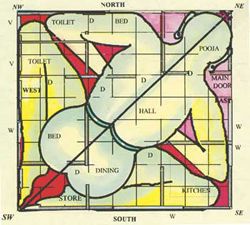
A Vastu energy circle, often associated with the Vastu Purusha Mandala (Brahmasthan) or the Vastu Chakra, represents the central, sacred, and dynamic core of a building that radiates positive energy and balances cosmic forces. It ensures harmonious energy flow, optimizes space based on 16 directions, and can be activated using symbols or remedies to enhance prosperity.
Key Aspects of Vastu Energy Circles
- Brahmasthan (Center): The center of any Vastu is the most sacred, responsible for creating and sustaining positive energy.
- Vastu Chakra (Energy Grid): A circular, dynamic tool used to align architectural design with nature’s energy, often prioritizing flow over rigid, square layouts.
- 45 Energy Fields: The Vastu Purusha Mandala comprises 45 energy fields (Devtas) that govern different aspects of life, with the head in the NE and feet in the SW.
- Energy Correction: Specialized energy plates with specific symbols are used to correct Vastu defects in particular areas.
Methods for Enhancing Energy
- Avoid clutter in the center and ensure free flow of energy.
- Use symbols and images of deities, particularly in the southwest to increase positive vibrations.
- Incorporate plants like tulsi or money plants in the NE or SE, while avoiding thorny plants in the SW.
- Proper lighting (bright and warm) helps to enhance positive energy throughout the home.
- Use energy circles (written intentions with switchwords) to rectify specific issues within a dwelling.
Common Vastu Directional Energy Centers
- North East (Ishanya): Governs wisdom, clarity, and consciousness.
- South East (Agneya): Rules over fire, energy, and health.
- South West (Nairutya): Governs stability, strength, and relationships.
- North West (Vayavya): Rules over movement and desire fulfillment.
Note: In some contexts, an “Energy Circle” refers to a metaphysical tool utilizing switchwords and symbols to manifest intentions, separate from traditional Vastu, but often used for similar, positive outcomes.